
By Bob Lujano, NCHPAD Expert Information Specialist
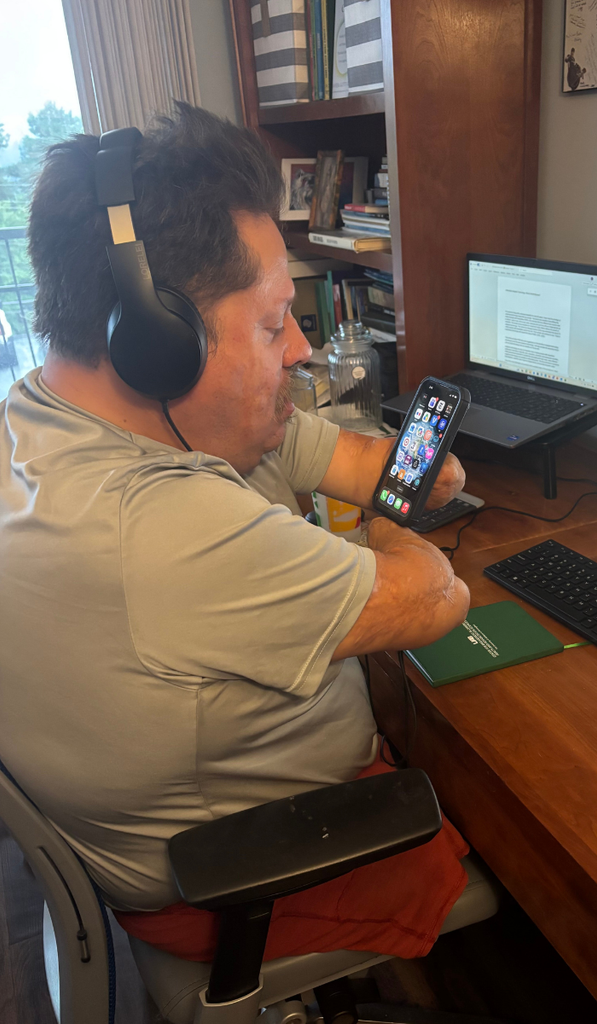
As a person living with a physical disability for over 45 years, I have had the privilege of watching technology rapidly evolve and intertwine with our society. This technological growth has benefitted the lives of people with disabilities.
My everyday needs are no different than anyone else’s – I need to eat, drive a car, work, exercise and just live a life with as much autonomy as possible. This would not be possible for myself and many others without the growth of assistive technology.
The Centers for Disease Control and Prevention (CDC) has estimated that about 70 million people with disabilities live in the U.S., and that number will only continue to rise. Today’s expanding technology will increasingly have a positive impact on the lives of PWD.
Assistive technology can play an important role in helping people with disabilities participate more fully in daily life, work, education, recreation and community activities. So, I’d like to give you some tips and suggestions on the benefits of assistive technology and what to consider. I will also provide the resources where people with disabilities can receive assistance to help reduce the financial burden.
While specialized equipment is sometimes associated with high costs, many effective assistive technologies are available at affordable prices. The key is to focus on products that address a specific need, improve independence and provide long-term value.
One of the most affordable and powerful tools available today is the smartphone. Most modern phones include built-in accessibility features at no additional cost, including speech-to-text, screen readers, magnification tools and live captioning.
Smart speakers and voice-controlled assistants can also support independence through hands-free reminders, communication and smart home control. For individuals with limited hand strength or dexterity, adaptive grips, universal cups, built up utensils, adaptive pins and jar openers can improve participation in everyday activities at a relatively low-cost.
Similarly, resistance bands, seated pedal exercises, yoga straps and other low-cost fitness tools can support physical activity and wellness. Accessibility features in wellness apps are other valuable resources. Many free or low-cost applications support communication, medication reminders, navigation, exercise tracking and reading printed text aloud.
Before purchasing assistive technology, individuals should clearly identify the challenge they want to address. The most expensive product is not always the best solution. A simple device that is used every day may provide greater value than a complex piece of equipment that is rarely used.
Because every person’s needs and abilities are different, individuals may benefit from consulting an occupational therapist, physical therapist, assistive technology professional or other qualified provider when determining which technology is appropriate.
Prior to purchasing new technology, you should consider:
- whether you already own something that can meet the need;
- free or built-in accessibility features;
- borrowing before buying;
- refurbished/used equipment; or
- community loan programs.
If you determine a purchase is best, though, many funding sources may help offset costs. Individuals should explore government benefits, nonprofit grants, equipment loan programs and community-based resources before paying out of pocket.
Assistive Technology and Resource Websites:
- Medicaid
- Medicare
- State Vocational Rehabilitation Programs
- U.S. Department of Veterans Affairs
- ABLE National Resource Center
- Association of Assistive Technology Act Programs (ATAP)
- Administration for Community Living – Assistive Technology Programs
- IM ABLE Foundation
- Challenged Athletes Foundation
- Kelly Brush Foundation
- Wheels of Happiness
- Christopher & Dana Reeve Foundation
- United Spinal Association
- National Federation of the Blind
- Association of Blind Citizens Assistive Technology Fund
- Pass It On Center
- Centers for Independent Living Directory